Why so many women over 40 feel confused about their bodies
It often begins quietly.
You are getting ready in the morning, moving through familiar routines, when something feels off. Clothes that once fit comfortably now feel tighter. Your energy does not last as long. Small changes in eating or movement no longer make the difference they once did.
Nothing dramatic has happened. You are not doing anything extreme. Yet your body feels harder to read.
For many women in their 40s, 50s, and beyond, this creates a specific kind of frustration. You know what you are supposed to do. You have followed advice before. It worked when you were younger. So why does it feel ineffective now?
This confusion often turns inward. You start wondering if you are missing something obvious. Or if you simply are not trying hard enough anymore.
What often gets overlooked is that your body is not the same body it was at 25. And the advice that once felt simple and effective does not always translate well into midlife.
This article gently explains why weight loss advice that works in your 20s often fails later on. Not because you are doing anything wrong, but because your metabolism, hormones, and stress response change with age. Understanding that shift can feel deeply validating. It helps many women stop blaming themselves and start approaching their health with more patience and clarity.
If you have felt stuck, confused, or quietly frustrated, this is for you.
Why weight loss after 40 feels harder than it used to

Understanding slow metabolism after 40 without blame
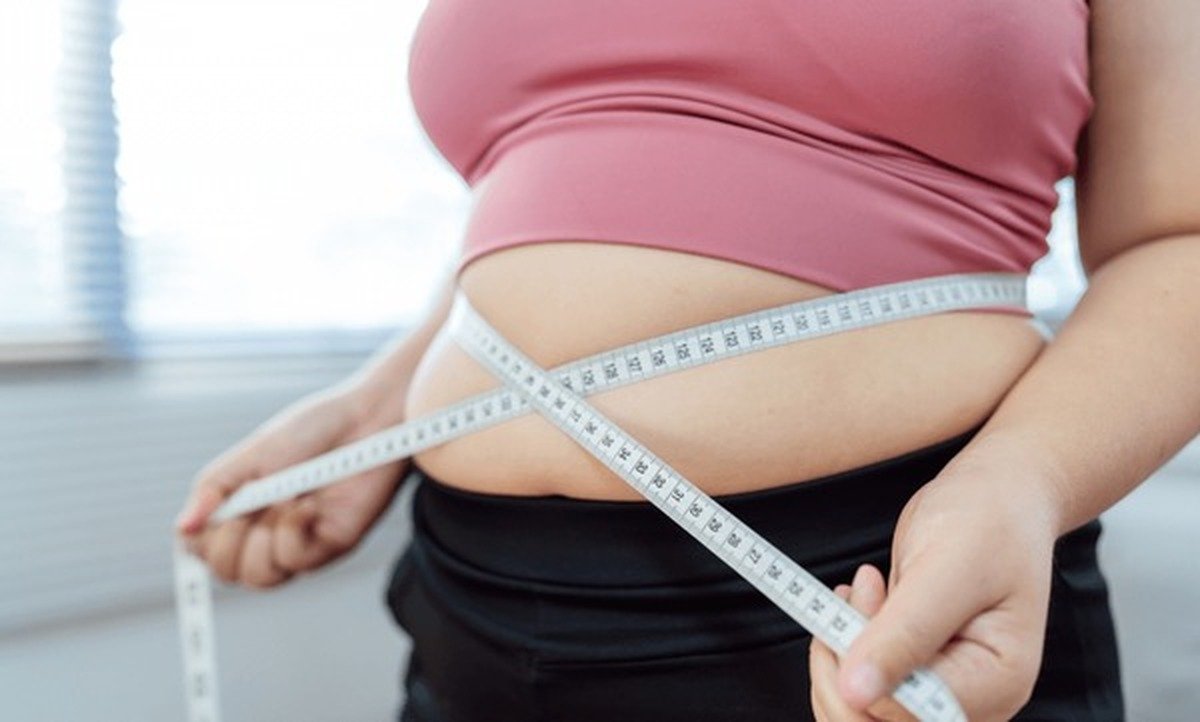
Weight gain in midlife rarely happens overnight. It tends to build slowly, which makes it even more confusing.
Many women notice patterns such as:
- Weight settling around the midsection
- Slower results despite consistent effort
- Feeling more tired after exercise
- Increased cravings during stressful periods
- Difficulty maintaining energy throughout the day
These changes often lead women to search for answers about slow metabolism after 40. The issue is not that metabolism suddenly stops working. It is that it becomes more sensitive to stress, recovery, hormones, and nourishment.
After 40, your body prioritizes stability and protection. That can mean holding onto weight more easily when it senses restriction, exhaustion, or chronic stress.
This is not a flaw. It is a natural adaptation.
The problem arises when women continue using strategies designed for younger bodies that recover faster and tolerate more extremes.
Why traditional weight loss advice stops working with age
Common dieting and weight loss advice that fails women over 40
Much of the weight loss advice women encounter on Pinterest and Google is repeated everywhere because it once worked for many people.
Advice like:
- Eat less to lose weight
- Increase cardio to burn more calories
- Cut entire food groups
- Skip meals to speed results
- Push through fatigue
In your 20s, these methods often produce quick feedback. The body adjusts and rebounds easily.
After 40, the same advice can lead to stalled progress or even gradual weight gain.
Here is why.
Calorie restriction can slow metabolism further.
When energy intake stays too low for too long, the body adapts by conserving fuel.
Excessive exercise increases stress hormones.
Cortisol plays a stronger role in fat storage as women age, especially around the abdomen.
Skipping meals affects blood sugar balance.
This can increase cravings, fatigue, and mood swings.
Willpower cannot override hormonal shifts.
Hormones influence appetite, energy, and fat storage. This is biology, not a character flaw.
When diets stop working with age, many women assume they are the problem. In reality, the strategy is outdated for their current physiology.
Hormones and weight gain after 40 explained simply

What changes inside the body during midlife
Hormones are often mentioned, but rarely explained in a way that feels useful or calming.
As women age, estrogen and progesterone levels fluctuate more unpredictably. These hormones influence how the body uses insulin, stores fat, and manages inflammation.
Lower or fluctuating estrogen can lead to:
- Increased fat storage around the belly
- Reduced insulin sensitivity
- Changes in appetite regulation
At the same time, natural muscle loss can reduce daily calorie needs. Without enough support, metabolism slows gradually.
Stress also becomes more impactful. Many women juggle careers, family responsibilities, caregiving, and emotional labor during these years. Chronic stress sends signals to the body to conserve energy.
None of this means weight loss is impossible. It means the body now responds better to support than to pressure.
Why eating less and exercising more backfires after 40
The hidden stress response many women experience
One of the most overlooked factors in women over 40’s weight loss is stress load.
When the body perceives ongoing stress, whether from under-eating, over-exercising, lack of sleep, or emotional strain, it shifts into protection mode.
This can look like:
- Increased hunger signals
- Fatigue that makes movement harder
- Weight gain despite effort
- Poor recovery
The body is not resisting you. It is responding to signals that suggest it needs to conserve resources.
This is why many women feel stuck even when they are doing “everything right.” Their bodies are asking for a different conversation.
A save-worthy moment to reflect and recalibrate
Understanding your experience without rushing to fix it
You might recognize yourself in these patterns.
Many women realize that their frustration came from trying to apply old rules to a new season of life. Once that realization settles, self-blame often softens.
You might start reflecting on questions like:
- When did my body start responding differently?
- How often have I blamed myself for normal changes?
- What would it feel like to work with my body instead of against it?
This stage is not about fixing anything yet. It is about understanding. Awareness alone can reduce frustration and self-criticism.
For many women, this reflection becomes something they return to. It reframes years of confusion into something gentler and more logical. That is why articles like this often get saved. They offer clarity without pressure.
Learning about metabolism support in a gentler way
A calm transition for women seeking more information
After understanding why traditional advice fails, some women naturally explore approaches that focus on metabolic support rather than restriction.
These approaches tend to emphasize balance, nourishment, and reducing unnecessary stress on the body. They look at energy levels, hormonal health, and sustainability instead of quick results.
If you are in a learning phase, you may find it helpful to explore educational resources that discuss metabolism in a calm, non-diet-focused way. Some women choose to read more about gentle, metabolism-supportive routines and traditional wellness practices used in different cultures.
If you would like to explore one such informational resource, you can read more here
There is no pressure to act or decide anything. This is simply an option for continued learning at your own pace.
A hopeful conclusion for women navigating midlife weight changes
Your body is not failing you. It is adapting.
Weight changes after 40 reflect shifts in hormones, metabolism, and stress response, not a lack of effort or discipline.
Understanding why old advice no longer works allows you to move forward with patience instead of frustration. You are allowed to learn, to pause, and to adjust your expectations.
This season of life deserves understanding, not punishment.
And that understanding is something you can return to whenever you need it.