Why So Many Women Notice Weight Changes After 40
It often begins with a quiet moment.
You notice clothes fitting differently even though your diet and exercise haven’t changed.
Energy dips in the middle of the day.
Eating smaller portions does not seem to make a difference.
Many women over 40 feel frustrated and confused when their bodies respond differently than they did in their twenties or thirties. It is normal to wonder if something is wrong.
This article gently explains why weight loss feels harder after 40 even if you eat less. You will learn about metabolism, hormones, and other subtle shifts that affect the body. This is something you can save and revisit whenever you want reassurance that what you are experiencing is common.

Why Weight Loss After 40 Feels Confusing and Frustrating
Weight gain and slow progress after 40 are not about losing discipline. They reflect natural changes that happen gradually as the body ages.
Common Weight and Energy Changes Women Over 40 Experience
Women over 40 often notice:
- Eating smaller portions without losing weight
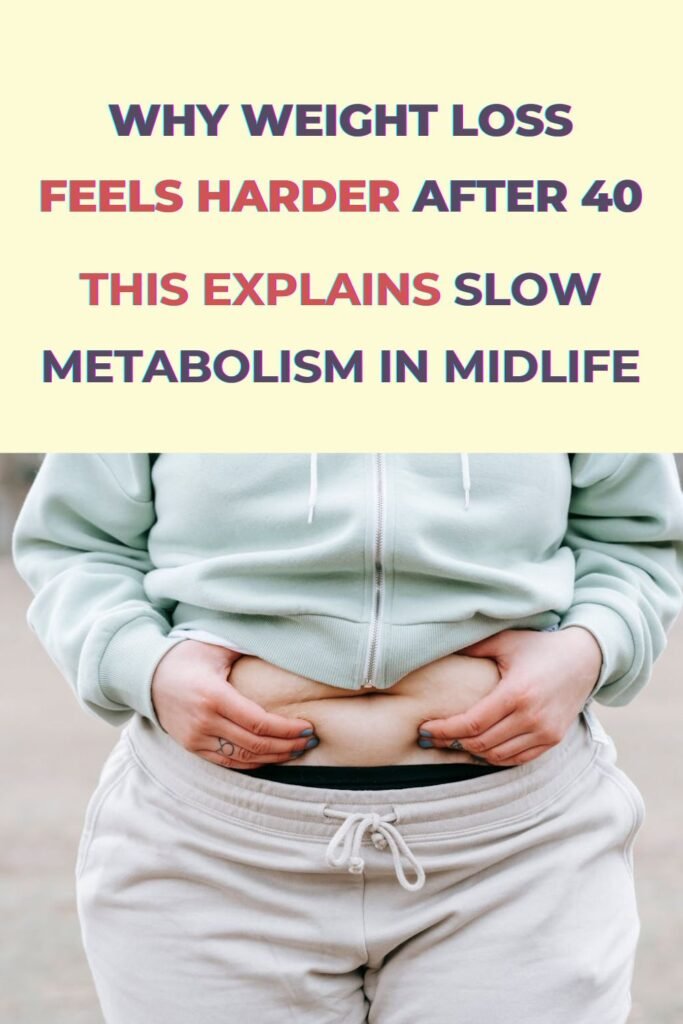
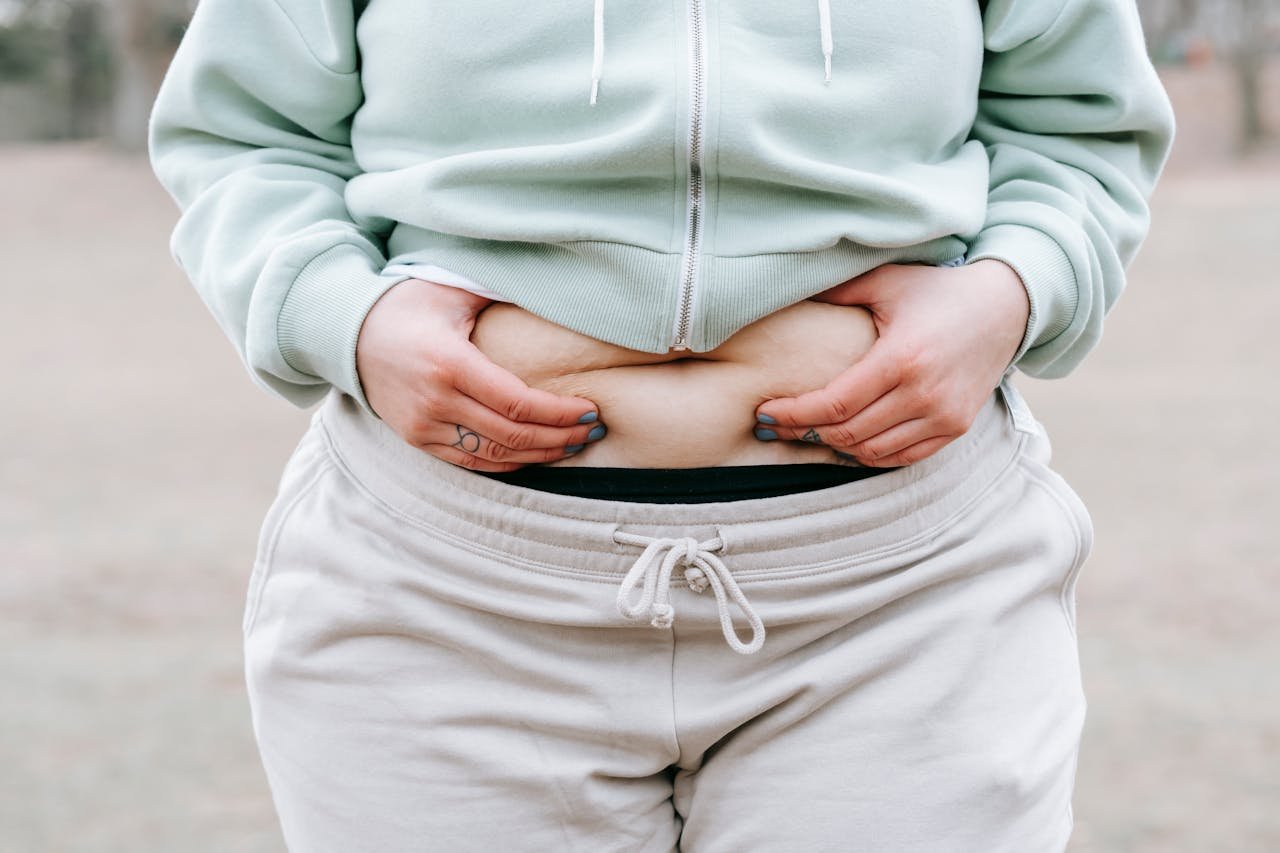
- Gaining weight in the midsection for the first time
- Feeling more tired even with the same routines
- Needing longer recovery after exercise
- Feeling puffy or inflamed more often
These changes are incredibly common but are rarely explained in ways that feel validating.
What Happens to Metabolism and Hormones After 40
Several systems in the body adjust as women age:
- Metabolism slows as muscle mass decreases
- Hormones fluctuate even before menopause
- Stress response becomes more sensitive
- Blood sugar regulation can become less efficient
None of this means that something is broken. Your body is simply operating under new conditions, which is why traditional approaches to weight loss may feel confusing.
Why Diets Stop Working the Same Way After 40
Many women over 40 try popular advice only to feel disappointed when it does not work as expected.
Common Weight Loss Advice Women Over 40 Are Given
Typical recommendations include:
- Eating even fewer calories
- Skipping meals or restricting certain foods
- Increasing high-intensity workouts
- Following restrictive plans that once worked
These strategies may create short-term results but are often unsustainable for long-term progress.
Why Eating Less Often Slows Weight Loss After 40
When the body is under stress from low calories or overexercising, it can respond by slowing metabolism. This can lead to:
- Slower metabolism after 40
- Stronger cravings later in the day
- Fatigue and mental fog
- Weight returning quickly after dieting
This is not a willpower issue. The body is protecting itself, which is why older dieting strategies often fail.

What No One Clearly Explains About Weight Gain and Aging
Understanding the underlying factors can feel like a relief for women over 40.
How Stress and Hormones Affect Weight After 40
Hormones like estrogen, cortisol, and insulin influence how the body stores and uses energy. Stress signals from:
- Chronic under-eating
- Over-exercising without proper recovery
- Poor sleep
- Mental pressure around food
can tell the body to hold on to fat. Your body is not resisting you. It is adapting to new conditions.
Why Your Body Holds Weight Differently After 40
Hormonal changes and slower metabolism can make fat distribution shift and energy levels dip unpredictably. This does not mean the body is broken. Understanding these changes reframes weight gain as a normal process rather than a personal failure.
A Moment to Pause and Reflect
Before trying to fix anything, it can be helpful to simply notice what has been happening without judgment.
You might notice that:
- Your body reacts differently to stress now
- Hunger cues feel less predictable
- Rest feels more important than it used to
- Extreme approaches leave you exhausted rather than lighter
Many women realize they have been responding to these changes by pushing harder when their body may be asking for something gentler.
This is not about giving up. It is about understanding why the old approaches feel so draining now.
Saving this awareness alone often brings relief. It gives words to something you may have felt for years but never had language for.

Learning About Metabolism Support for Women Over 40
Once you understand that slower metabolism after 40 is normal, curiosity replaces frustration. Some women explore metabolism-supportive approaches that focus on helping the body feel safe, nourished, and balanced rather than restricted.
These approaches are not about forcing weight loss. They are about creating conditions where the body can function at its best.
If you are curious, this explains why supporting metabolism works better now.
There is no pressure or expectation. This is simply a resource that many women save to revisit when they are ready to learn more about supporting their metabolism.
A Gentle Reminder as You Move Forward
If weight loss feels harder after 40, it does not mean you are broken. It means your body is different from what it was before.
Education, patience, and self trust often go further than pressure ever did. When you approach your body with curiosity instead of blame, things tend to feel lighter emotionally and physically.
You do not need to have everything figured out today. Sometimes simply understanding why things feel different is enough to move forward with calm confidence.
This is a season of learning, not fixing. And you are allowed to move through it at your own pace.